No products in the cart.: ₹0.00


By alloytek
0 Comments
Most people treat a cabinet lock as an afterthought, a small part the carpenter picks up at the end of the job from whatever the local shop has in stock. That habit is worth questioning. The cupboard where the family keeps jewellery and documents, the pooja unit that holds silver lamps and idols, the glass display cabinet with grandmother’s crockery or a collection of trophies, these are the places where a small lock does a serious job and is handled almost every day. A brass cabinet lock is one of the simplest ways to give those pieces of furniture hardware that matches their importance, and the choice deserves a few minutes of thought rather than a last-minute grab.
Why brass suits a cabinet lock
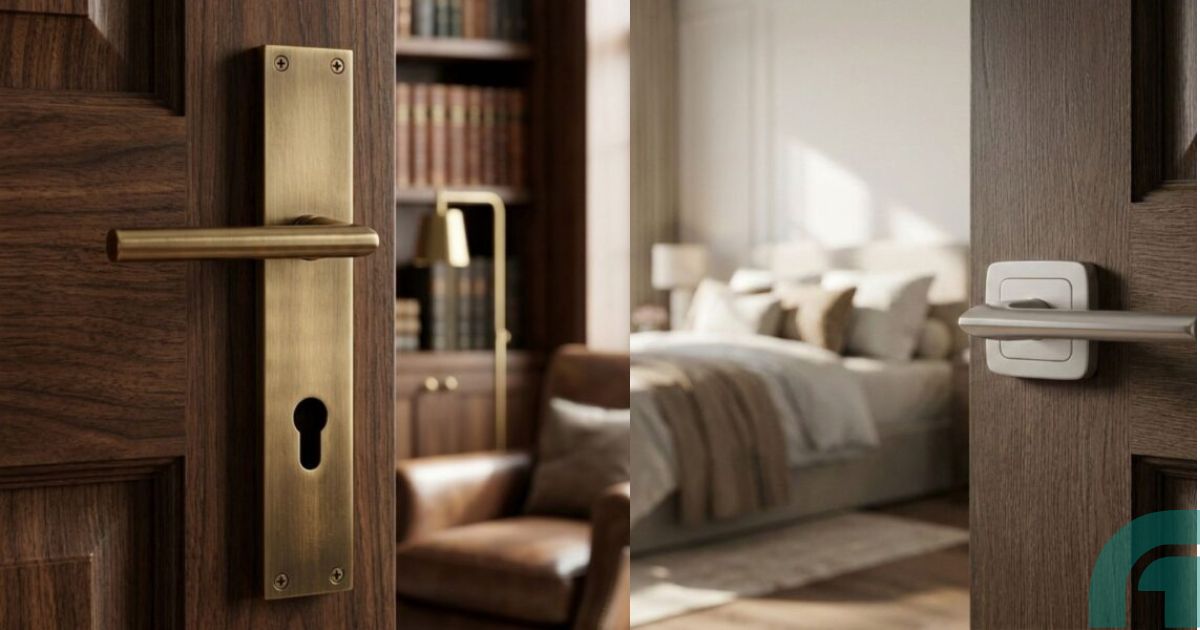
Brass has been used for locks for centuries for good reasons. It resists corrosion, which matters in kitchens, bathrooms and the humid months when wooden cupboards swell and metal fittings start to spot. It machines cleanly, so the small internal parts of a lock, the pins, the cylinder and the cam, can be made to tight tolerances that keep the key turning smoothly for years. Brass also has a pleasing weight and a warm colour that sits naturally against teak, sheesham and other wooden furniture common in Indian homes.
Over time, brass develops a softer, lived-in tone rather than rusting or flaking. On a pooja unit or an heirloom cupboard, that gentle ageing looks right. Where a crisp modern look is wanted, plated finishes on brass, such as antique, black or a polished tone, give the same reliable core with a different face.
There is also a practical point. Cabinet keys are often small, often lost, and often turned by people who are in a hurry. A brass lock with a well-made pin cylinder handles that rough daily use better than a stamped, thin-metal cam lock that loosens in a few months.
Matching the brass cabinet lock to the furniture
Different cabinets ask for different things. For a wardrobe or almirah, a cupboard lock fitted to the shutter, with a bolt that throws into the frame or the adjoining shutter, gives proper security for valuables and documents. Check the board thickness first, because a lock made for an 18 mm board will not sit right on a thicker solid wood door. The CBC211 cupboard lock is one example from Alloytek built for this kind of everyday wardrobe use.
Pooja units are a special case. Families often want them locked when travelling, especially if the unit holds silver or brass items, but day to day the doors are opened at least twice for prayers. The lock should be easy to operate, quiet, and look at home on carved or jaali doors. A small brass lock with a neat escutcheon around the keyhole fits that brief without drawing the eye away from the unit itself. Many families also prefer a matching brass knob or small pull handle on the same doors.
Display cabinets, crockery units and bookshelves with glass doors need locks that work with glass or slim frames. Some cabinet locks are designed to clamp onto glass, while others fit the wooden frame of a glazed door. Sliding glass doors need a sliding lock that locks the two panels together. Drawers in the same unit, holding cutlery, documents or small valuables, need drawer locks fitted to the drawer front. Using one family of locks across the whole unit keeps keys and finishes consistent.
Fitting, keys and care
A good lock can be let down by a poor fit. Ask your carpenter to mark the position carefully so the bolt or cam meets its keeper squarely. If the door has sagged slightly, adjust the hinges before fitting the lock rather than forcing the lock to make up for it. Fix the lock with screws of the right length so they grip well without poking through the face of the door.
Think about keys before you fit. If a family wants several cupboards to open with one key for convenience, ask whether locks can be supplied keyed alike. If certain cabinets, such as the one with jewellery, should have their own key, ask for different keys and keep a spare in a safe place outside the house. Label spare keys discreetly, not with the name of the cupboard.
Care is simple. Wipe brass with a soft dry cloth. Avoid harsh acid cleaners and abrasive powders, which strip plating and scratch the surface. If a key starts to feel stiff, a little dry lubricant in the keyway usually frees it. Avoid oil, which collects dust and makes things worse over time.
Also read
Call to action
Choosing locks for wardrobes, pooja units, display cabinets or a furniture range? Alloytek manufactures cabinet, cupboard and drawer locks, multipurpose locks, sliding locks and pin cylinders in Aligarh, with more than 50 years of manufacturing and over 1,000 products in its range. Call or WhatsApp +91 79009 79006, or visit the Alloytek works at C-164-166, Sector-1, Talanagari, Aligarh-202001. Dealers and furniture makers can also see the Become a Dealer page on the Alloytek website.

alloytek