No products in the cart.: ₹0.00

By alloytek
0 Comments
A buyer from abroad sits in a small meeting room in Aligarh with a tray of samples in front of her. She picks up a grip handle lock, turns the key, pushes the thumb latch, feels the weight of the casting and runs a thumbnail along the edge of the plating. Then she asks the question every serious importer eventually asks. Will the thousandth piece in the container be as good as the one in my hand? Evaluating a grip handle lock exporter comes down to answering that question with evidence, not promises.
Why buyers look to Aligarh
Aligarh in Uttar Pradesh has been known as India’s lock city for generations. Lock and hardware making there runs through families, workshops and larger factories, with a deep pool of skilled hands in casting, machining, polishing and assembly. For an overseas buyer, that concentration means choice, a wide range of styles and price points, and makers who understand locks from the inside out.
It also means the gap between the best and the rest can be wide. The same street may hold a long-established exporter with tight quality control and a small unit doing piece work. The job of the buyer is to tell them apart.
Judging samples from a grip handle lock exporter
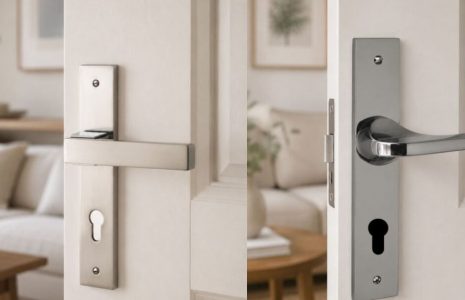
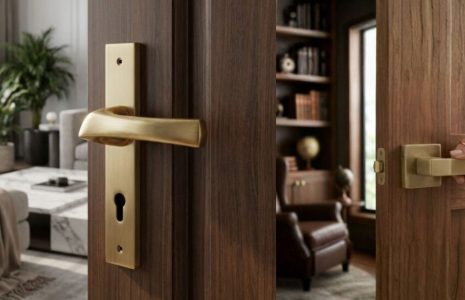
Start with the product in hand. A grip handle lock, where a fixed grip or pull handle on the outside works with a lock and latch, has to feel solid and work smoothly. Operate the lock many times. Check that the latch retracts fully and springs back cleanly, that the key turns without force, and that the handle has no play where it meets the plate.
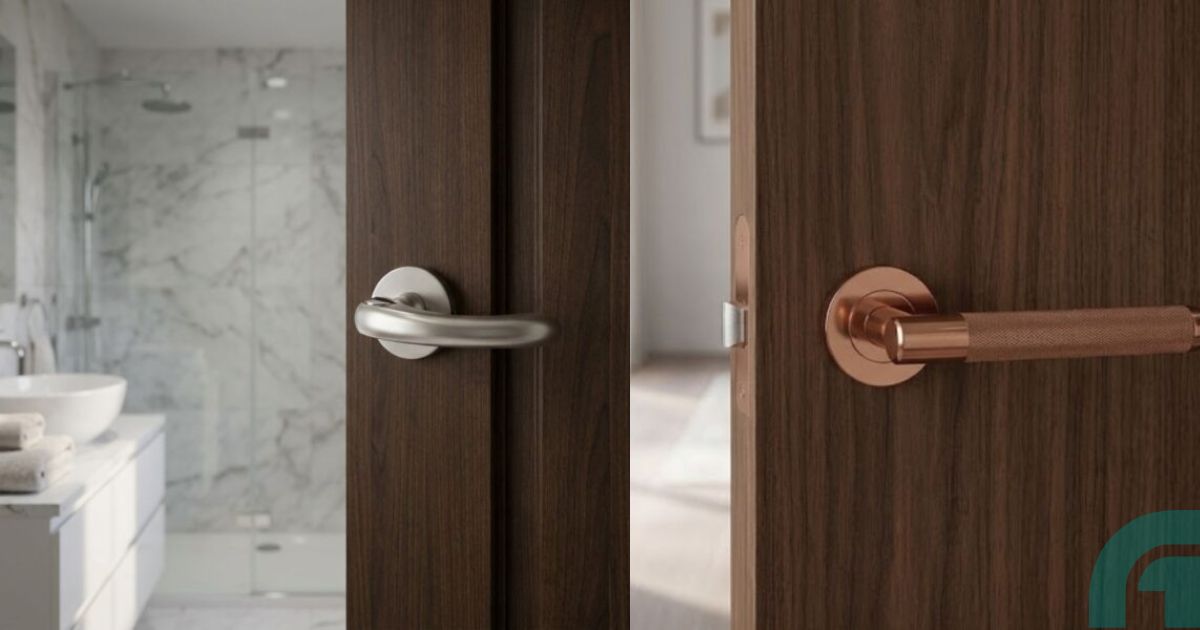
Look closely at the casting. Brass and zinc alloy castings should be dense, without pinholes, and with clean edges after polishing. Weigh samples from different suppliers for the same style. Look at the plating under strong light and at an angle, checking for even colour, no orange peel texture and no thin spots on edges. Ask what finishes are standard, such as SS, antique, black or rose gold, and request samples of each finish you plan to sell.
Consistency, the real test
Any factory can make one perfect sample. What matters is whether production matches it. Ask how the exporter controls quality across a production run. Are dimensions checked at intervals? Are finished locks tested for function before packing? Is there a reference sample kept from your approved order so later batches can be compared against it?
If possible, place a smaller trial order before committing to a full container. Inspect it piece by piece, or appoint an inspection agent to check a random selection before dispatch. The results of that first order tell you more about a grip handle lock exporter than any presentation.
Write the approval down in detail. Record the finish, the weight range, the key count, the screws supplied and the packing, and keep a signed sample on both sides. When a later batch differs, you then have something specific to point to rather than a vague feeling that the product has changed. Good exporters welcome that clarity because it protects them as well.
Experience, range and in-house capability
Ask how long the company has been manufacturing and how long it has been exporting. Ask which countries it ships to, because experience with different markets means familiarity with different door sizes, packing needs and documentation. A maker exporting to many countries will usually have dealt with the problems your market may raise.
Range matters too. An exporter that makes grip handle locks alongside mortise locks, mortise handles, euro profile cylinders, door stoppers, door viewers and security chains can supply a fuller order in one shipment, with finishes that match across product types. That simplifies life for importers who sell to dealers wanting complete door sets. Ask which parts are made in-house and which are bought in. In-house casting, machining and plating usually give better control over quality and lead times.
Packing, documents and communication
A lock that leaves the factory perfect can arrive scratched if the packing is poor. Ask how each piece is packed, how cartons are labelled, and how much carton strength is built in for sea freight. Ask whether the exporter can pack under your brand, print your barcodes and include instructions in your language.
Check that the exporter is comfortable with export documentation and can provide what your customs and your customers need. Then pay attention to communication. Fast, clear answers to technical questions during sampling usually mean fast, clear answers when a shipment has a problem later. That responsiveness is part of what you are buying.
Also read
Talk to Alloytek
Alloytek, a brand of Universal Exports, is an architectural hardware manufacturer in Aligarh with more than 50 years of manufacturing, over 1,000 products and exports to more than 25 countries, built to a European Export Quality standard. Importers and OEM partners can call or WhatsApp +91 79009 79006 to discuss samples and orders, or visit the Alloytek works at C-164-166, Sector-1, Talanagari, Aligarh-202001. Dealers can see the Become a Dealer page on the Alloytek website.

alloytek