No products in the cart.: ₹0.00

By alloytek
0 Comments
The strength of a main door lock is decided by parts you never see. The handle, the finish and the key get all the attention in a showroom, but a heavy duty mortise lock earns its name inside the door, in the number of bolts, how far they travel, and how solidly the lock body is built. If you are building a house, renovating a flat or choosing hardware for a villa project, those hidden details are what decide whether the main door holds firm or gives way.
What heavy duty really means in a mortise lock
A mortise lock sits in a pocket cut into the edge of the door. Its body holds the latch, the deadbolt and the mechanism that ties them to the cylinder or key. In a lighter lock, the case is thinner, the bolts are smaller and the internal parts are designed for interior doors that see little force. A heavy duty body uses a thicker case, stronger bolts and sturdier levers inside, made to resist someone forcing, kicking or levering the door.
The difference shows up the day it is tested. A light lock may hold against a shove but bend under a crowbar driven into the gap between door and frame. A properly built heavy duty lock spreads that force across more steel, both in the lock and in the strike on the frame.
Bolts and throw on a heavy duty mortise lock
The bolt is the part that keeps the door shut. Two things matter, how many bolts there are and how far they extend into the frame, which is called the throw.
A single deadbolt with a short throw sits only a little way into the frame. With enough force, the door and frame can flex apart just far enough for the bolt to slip out. A longer throw buries the bolt deeper in the frame, so the door has to move much further before it can be freed. Many main door locks use a multi-turn deadbolt, where each turn of the key pushes the bolt further out.
A 4 bolt mortise lock spreads the load across several bolts instead of one. Rather than everything resting on a single point, force on the door is shared between them. This makes the door much harder to lever open and suits main doors, especially wider or heavier ones, and homes that stay empty for long periods while families travel. Alloytek’s mortise lock range includes 4-bolt bodies alongside entrance, lever dead and euro dead types for this reason.
Body thickness, strike and the frame behind it
A strong lock fixed into a weak frame is like a strong padlock on a thin chain. The strike plate on the frame takes every bit of force the bolts receive. It should be solid, well secured with long screws into the frame timber or steel, and cut so the bolts enter cleanly without binding. If the frame is hollow or soft, ask your carpenter about reinforcing the area behind the strike.
The thickness of the lock body has to suit the door. A heavy duty mortise lock needs enough timber on either side of the pocket so cutting the mortise does not leave the door edge weak. Most solid main doors in Indian homes, in teak, sal or engineered wood, have room for a proper heavy body. Check the door thickness and stile width before ordering, and give the carpenter the lock’s dimensions in advance so the pocket is cut accurately the first time.
Backset matters too. This is the distance from the door edge to the centre of the keyhole or spindle. Too short and the handle sits awkwardly near the frame. Too long on a narrow stile and the lock body runs into the door’s panels.

Cylinder, handles and the rest of the set
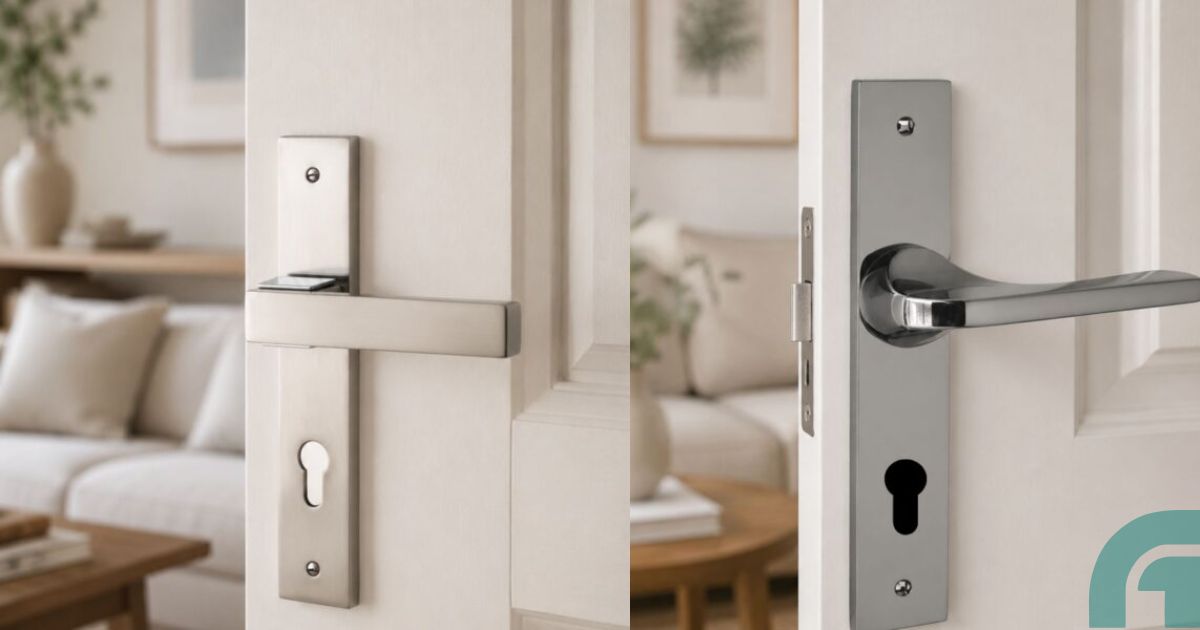
The cylinder is where the key goes and where many attacks begin. A euro profile cylinder used with a heavy duty body should be sized to sit flush with the outside escutcheon, not sticking out. A cylinder that projects is easier to grip and snap. Ask whether the cylinder comes with more keys and a tighter key profile, and whether a thumb-turn on the inside would suit your household, so nobody needs a key to get out in a hurry.
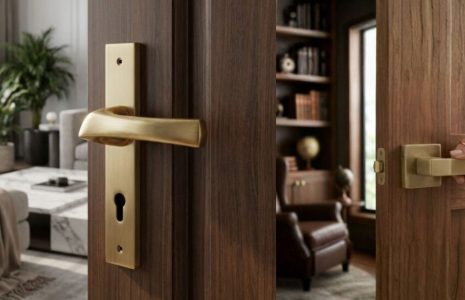
Handles should be fixed solidly through the door and suit the weight of the lock. A heavy brass mortise handle on a strong body feels right, but the lever spring must be matched so it does not droop over time. Finish should hold up to sun, rain and the dust that blows onto many Indian main doors, which is why SS, antique and black finishes are popular for entrances. Add a door viewer at eye level and a door security chain, and the main door is ready.
Also read
Talk to Alloytek
Choosing a heavy duty mortise lock for your main door or a housing project? Alloytek manufactures 4-bolt, entrance, lever dead and euro dead mortise locks, euro profile cylinders and mortise handles in Aligarh, India’s lock city, with more than 50 years of manufacturing behind them. Call or WhatsApp +91 79009 79006, or visit the Alloytek works at C-164-166, Sector-1, Talanagari, Aligarh-202001. Dealers can see the Become a Dealer page on the Alloytek website.

alloytek