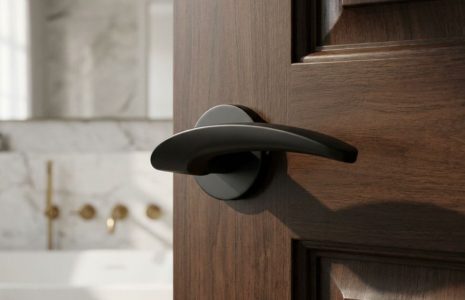
The mortise cavity that gives this hardware its name
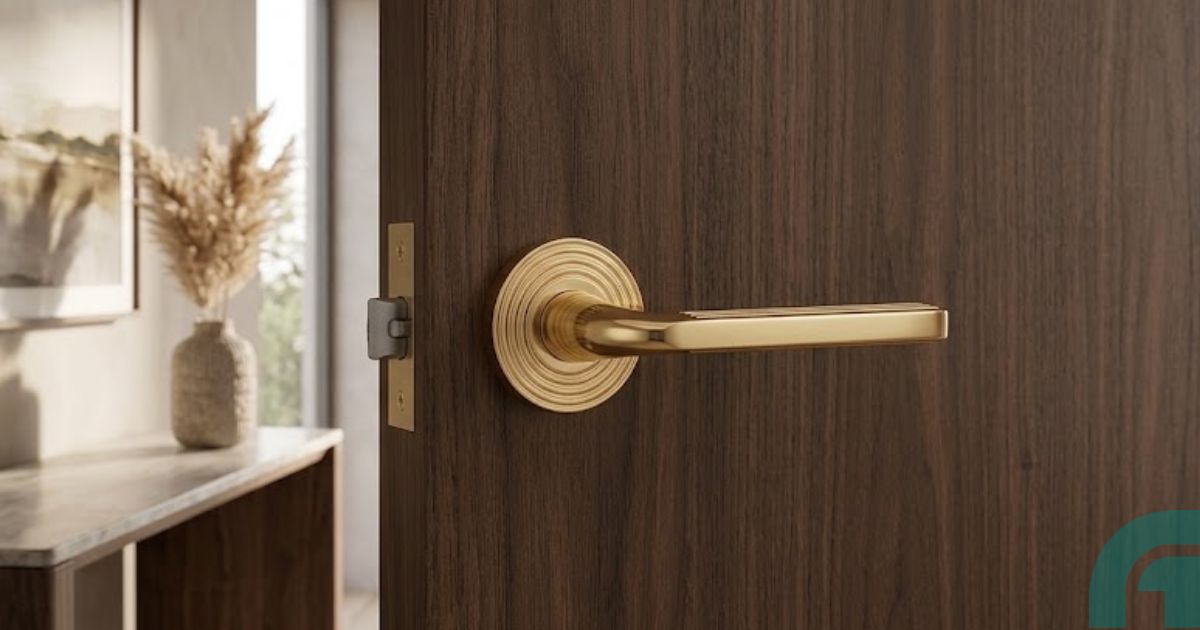
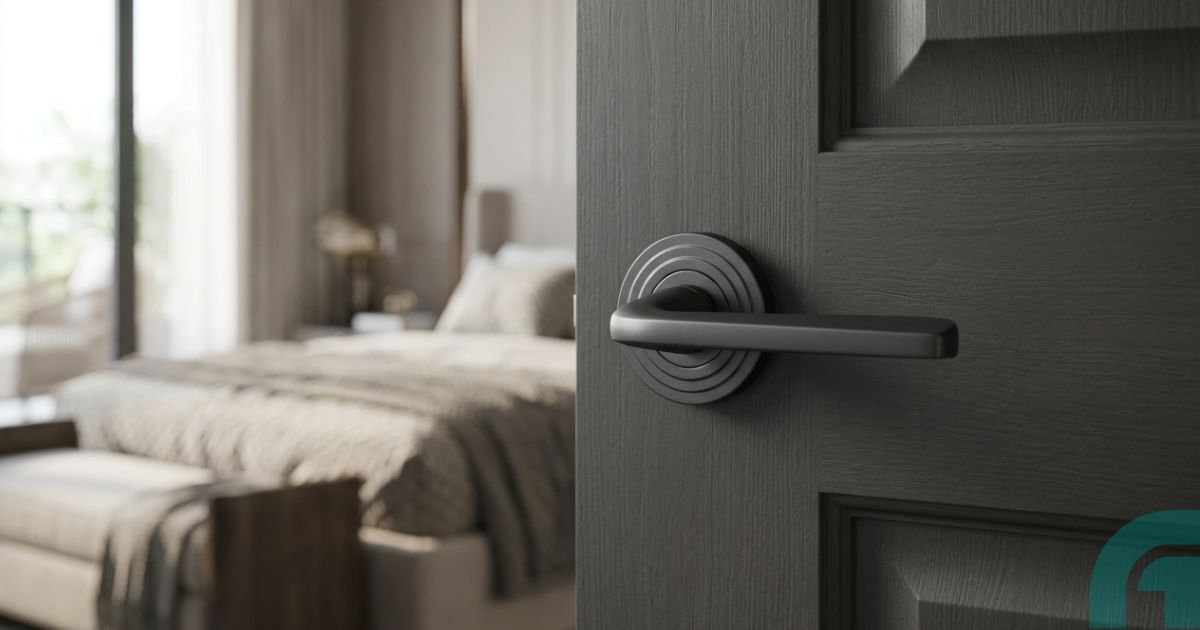
A mortise handle installs into a cavity, the mortise, cut directly into the door’s edge, housing the lock body and mechanism within the door itself rather than mounted purely on its surface, creating a cleaner, more integrated appearance. Alloytek
How the handle connects to the internal lock body
The external handle connects through the door to an internal mortise lock body, discussed further elsewhere, with the handle’s rotation or pressure engaging the latch or bolt mechanism housed within that internal unit.
Why this integration offers genuine security advantages
Because the core mechanism sits within the door itself, rather than externally mounted, mortise systems generally offer more resistance to forced tampering than purely surface-mounted alternatives, a genuine security consideration for main entry applications. Follow us at Alloytek
The precision required for correct installation
Mortise handle installation requires precise cavity cutting and alignment between the handle, lock body, and strike plate, making correct installation genuinely more involved than a simpler surface-mounted alternative. Alloytek
Why mortise systems suit main doors particularly well
Given the security and integrated appearance advantages, mortise handle and lock systems have become a standard choice for main entry doors specifically, where both function and finished appearance matter considerably.
Components that typically make up a complete mortise system
A complete mortise system typically includes the external handle, the internal lock body, a cylinder or key mechanism, and a strike plate, each component needing genuine compatibility with the others for reliable overall function. Follow us at Alloytek